In busy warehouses and manufacturing facilities, door openings are some of the most active points in the entire building. Forklifts, pallet jacks, and employees move through these areas constantly, which means door systems must be designed to handle both speed and unexpected contact. Modern high-speed commercial roll-up doors are engineered with innovative features that help them operate safely in these demanding environments, and one of the most important of these innovations is the flexible bottom edge.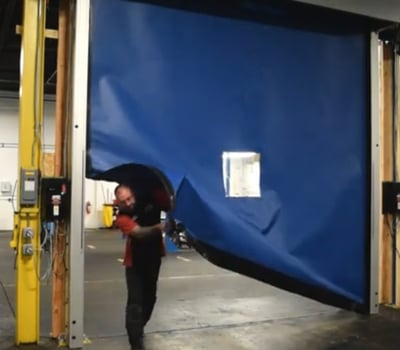

Traditional commercial doors often have rigid bottom bars that can cause damage if struck by a vehicle or obstruction. When a forklift or piece of equipment accidentally hits a rigid door edge, the result can be bent tracks, damaged panels, or misaligned door systems that require immediate repairs. These unexpected issues can lead to downtime, operational delays, and costly service calls.
Flexible-edge technology addresses this challenge by allowing the bottom portion of the door to bend or flex when it encounters an obstruction. Instead of resisting impact, the edge moves with the object, significantly reducing the risk of damage to the door system. This design helps protect both the door and the equipment operating nearby, making it an ideal feature for high-speed overhead doors used in fast-paced industrial environments.
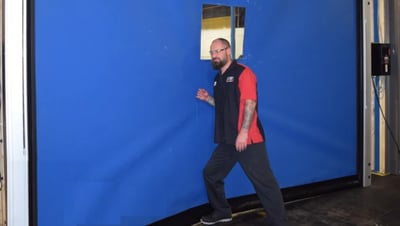
Safety is one of the most important advantages of flexible bottom edges. Facilities that rely on high-speed, high-performance rolling doors often operate in areas where employees and material handling vehicles share the same pathways. A flexible bottom edge can help minimize the risk of entrapment by allowing the door to safely respond if it encounters an object or person in the opening.
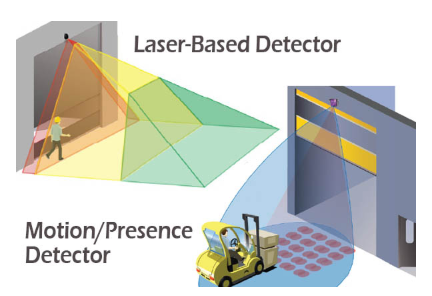
Many modern high-speed industrial doors are also equipped with additional safety systems such as light curtain sensors. These sensors create an invisible field of detection across the door opening. If the beam is interrupted by a person, forklift, or pallet, the door automatically stops or reverses direction. When combined with a flexible bottom edge, these safety systems provide multiple layers of protection in busy loading zones and interior traffic corridors.
Another key benefit of flexible-edge technology is its ability to support self-repairing door designs. Accidental impacts are common in facilities with high forklift traffic, especially in distribution centers and manufacturing operations where door openings are used constantly. Instead of requiring manual resetting or service intervention after an impact, many high-speed coiling doors are designed to release from their side guides and automatically reinsert themselves during the next cycle.
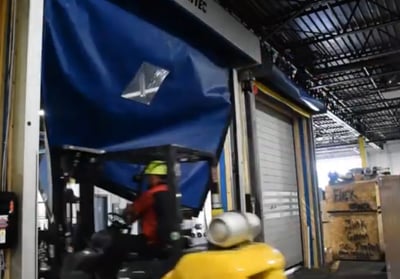

Flexible bottom edges also contribute to the overall durability of high-performance door systems. Because the door can absorb impacts and move around obstructions, internal components such as tracks, guides, and drive systems experience less stress. Over time, this reduces wear on the door system and helps extend the lifespan of the equipment.
Speed is another factor that enhances the effectiveness of flexible-edge doors. Many high-speed commercial overhead doors open at speeds exceeding several feet per second. Faster door cycles help reduce congestion in high-traffic areas and allow forklifts and employees to move through doorways quickly and efficiently. Shorter open times also help maintain interior environmental conditions, which is especially important in temperature-controlled facilities.
For warehouses and manufacturing environments that prioritize safety and productivity, the combination of high opening speeds and flexible bottom edge technology creates a reliable door solution that can handle the demands of daily operations.
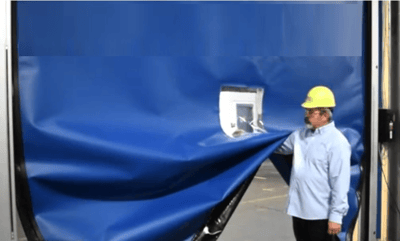
Flexible bottom edges are particularly valuable in facilities where door openings serve as primary traffic routes between departments or work zones. In these environments, doors must operate smoothly, safely, and repeatedly throughout the day. A door that can safely handle occasional impacts while maintaining fast cycle speeds helps reduce disruptions and maintain operational efficiency.
When evaluating high-performance coiling doors for a facility, building managers and operations teams should consider how design features like flexible edges, self-repairing curtains, and advanced safety sensors can contribute to long-term reliability. These technologies are specifically engineered to support the fast-paced nature of modern logistics and manufacturing environments.
At the end of the day, even small design improvements can make a major difference in facility safety and operational performance. Flexible bottom edges provide a simple yet highly effective way to reduce damage, improve safety, and keep your commercial and industrial garage doors operating reliably in demanding conditions.
If your facility is considering upgrading to high-performance commercial door systems, flexible-edge technology is one feature worth exploring. It can help protect your equipment, reduce downtime, and support safer workflows throughout your building.
Contact Us
Phone: 973-471-3358
Email: info@rollupdoorsnjny.com